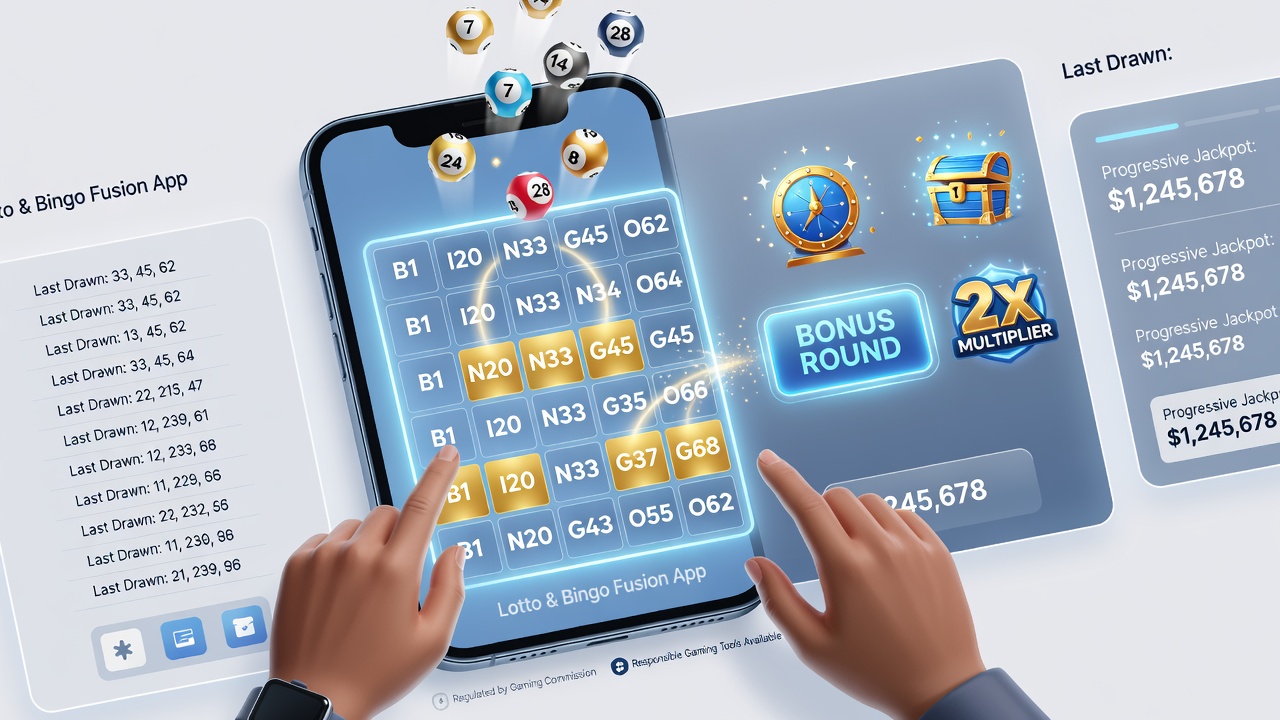
Player Interactions with Bonus Features in Regulated Mobile Gaming Apps Drawing from Lotto and Bingo Traditions
Regulated mobile gaming apps incorporate bonus features that trace directly to longstanding lotto and bingo formats, where players encounter structured reward systems tied to number draws and card patterns. These elements appear in digital environments that maintain compliance with oversight frameworks across multiple jurisdictions, and they shape how participants navigate gameplay sequences. Observers note that bonus triggers often replicate the incremental matching processes found in traditional lotto tickets or bingo halls, yet they adapt to touch-screen inputs and session-based mechanics.
Historical Foundations in Lotto and Bingo Systems
Lotto traditions established core principles of progressive rewards through sequential number selections, while bingo introduced community-style pattern completions that rewarded specific alignments. Mobile applications translate these patterns into on-screen mechanics such as multiplier activations, free round allocations, and tiered prize ladders. Researchers have documented that players engage with these features by completing virtual card grids or matching sequences drawn from random number generators calibrated to regulatory standards. Data from industry reports shows consistent use of these inherited structures in apps licensed under European and North American frameworks, where bonus rounds activate only after predefined thresholds are met.
Regulatory bodies require transparent probability disclosures for all bonus elements, ensuring that the odds governing lotto-derived draws and bingo-derived patterns remain accessible to users. In September 2026, several licensing authorities published updated compliance guidelines that reinforced audit requirements for bonus payout ratios in mobile formats. These guidelines reference historical payout distributions from physical lotto and bingo operations to maintain continuity in player expectations across digital transitions.
Mechanics of Bonus Feature Engagement
Players interact with bonus features through repeated selection actions that mirror traditional ticket marking or number daubing. Apps present layered interfaces where initial matches unlock secondary stages, often incorporating elements such as wild symbols derived from bingo wildcards or cumulative jackpot pools modeled on lotto rollovers. Studies indicate that session duration increases when bonus features include progressive components that build across multiple plays, a design choice that echoes the accumulation periods common in weekly lotto draws. Those who study user behavior observe that individuals frequently pause to review bonus rules before committing additional plays, reflecting the deliberate pacing seen in bingo sessions.
Pattern Recognition and Decision Points
Bonus interactions hinge on pattern recognition skills transferred from physical bingo cards to animated grids. Applications display real-time counters that track progress toward bonus eligibility, and players adjust their selections based on visible probabilities. Evidence from academic analyses of mobile gaming logs reveals that participants favor features allowing partial progress retention between sessions, a mechanic that parallels carry-over elements in some lotto formats. Regulatory audits confirm that these retention systems operate within approved return-to-player percentages, preventing deviations from established standards.
Regulatory Frameworks Shaping Digital Adaptations
Licensing authorities enforce rules that govern how bonus features integrate with core gameplay loops. European regulators, including those referenced in reports from the European Gaming and Betting Association, mandate clear separation between base game mechanics and bonus activations to avoid misleading presentations. Similar requirements appear in Canadian provincial oversight documents and Australian state gaming commissions, where bonus feature testing must demonstrate equivalence to traditional lotto and bingo randomness standards. Players receive in-app notifications detailing the conditions for bonus entry, and these disclosures draw from disclosure practices originally developed for physical lottery terminals.
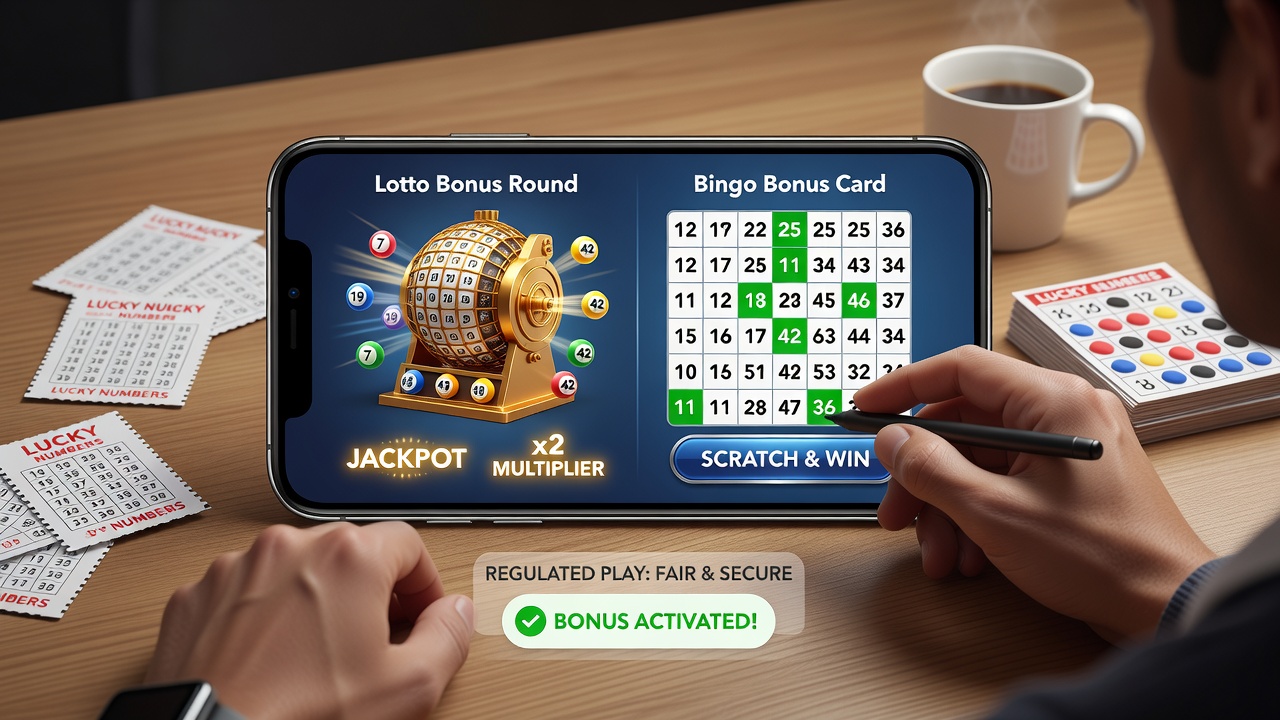
Cross-jurisdictional comparisons show that apps serving multiple markets adjust bonus parameters to align with the strictest applicable rules. Research from university-led gambling studies indicates that such adjustments lead to standardized bonus structures that retain core lotto and bingo characteristics while satisfying local technical specifications. Figures released by oversight agencies demonstrate that bonus feature complaint rates remain low when operators provide detailed probability tables modeled on historical draw data.
Observed Player Navigation Patterns
Analyses of gameplay telemetry reveal that users tend to cluster their bonus engagements around specific times within a session, often after achieving a set number of base matches. This clustering behavior parallels the pacing strategies observed in traditional bingo halls where participants wait for particular number sequences. Applications incorporate visual cues such as highlighted cells or animated number reveals that guide attention toward imminent bonus opportunities. Data indicates that these cues increase completion rates for bonus prerequisites without altering underlying probabilities.
Multi-device continuity allows players to resume bonus progress across phones and tablets, a capability that extends the multi-day ticket validation processes once common in lotto systems. Regulatory reviews confirm that stored progress data undergoes encryption and audit trails to prevent unauthorized modifications. Observers have noted that this continuity reduces session fragmentation and supports sustained engagement with bonus sequences that span several days.
Conclusion
Bonus features in regulated mobile gaming apps continue to evolve from lotto and bingo foundations through deliberate design choices that preserve pattern-matching logic and reward progression. Regulatory oversight maintains consistency by requiring probability transparency and audit verification drawn from traditional formats. Player interactions reflect these inherited structures, with engagement patterns shaped by real-time feedback and cross-session retention. Ongoing compliance updates ensure that digital adaptations remain aligned with established standards across regions.