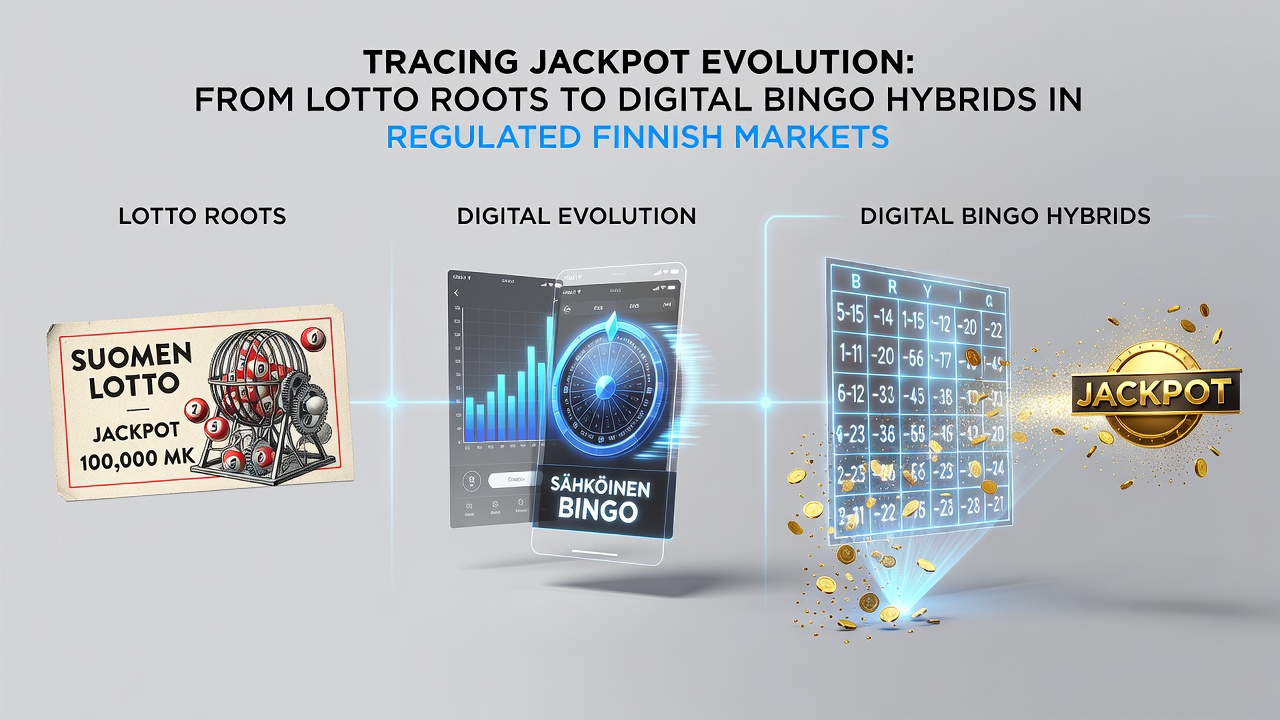
Tracing Jackpot Evolution from Lotto Roots to Digital Bingo Hybrids in Regulated Finnish Markets
The development of jackpot mechanisms in Finland begins with state-controlled lotto operations that date back decades, where centralized operators managed prize pools drawn from widespread ticket sales across the country. Those early systems relied on fixed draw schedules and accumulated rollovers to build substantial rewards, establishing patterns that later influenced other game formats. Researchers at institutions tracking Nordic gambling trends have documented how these lotto structures emphasized collective participation and transparent prize distribution under government supervision.
Lotto Foundations Shape Initial Jackpot Models
Traditional lotto in Finland operated through a monopoly framework that funneled proceeds into public funds while maintaining strict controls on prize calculations and draw integrity. Data from national statistics agencies shows jackpot sizes grew steadily as participation rates climbed during the late twentieth century, with operators adjusting ticket prices and number combinations to balance player interest against regulatory caps. Observers note that rollover mechanics became central to sustaining engagement, as unreclaimed prizes carried forward to subsequent draws and created larger potential payouts. This approach established baseline expectations for how accumulative rewards function within tightly monitored environments.
Bingo Integration Expands Prize Structures
Bingo entered the regulated landscape as operators adapted lotto-style accumulation to faster-paced formats that appealed to different demographics. Hybrid elements emerged when bingo sessions incorporated progressive jackpots tied to specific number patterns or full-card wins, blending the social aspects of teh game with scaled rewards drawn from broader player contributions. Figures from industry reports reveal that these adaptations maintained compliance with existing oversight while introducing variable prize tiers that responded to session volume. People familiar with Finnish gaming records point to incremental rule adjustments that allowed bingo variants to feature carryover elements similar to lotto, yet within shorter play cycles.
Digital Platforms Drive Hybrid Innovations
Online environments accelerated the combination of lotto roots and bingo mechanics into unified systems where players engage through mobile interfaces that track multiple game types simultaneously. Regulated operators integrated real-time jackpot displays across platforms, allowing contributions from lotto tickets and bingo cards to feed shared pools under unified accounting protocols. Evidence from European regulatory analyses indicates that such hybrids preserve mandatory reporting requirements while enabling dynamic prize growth based on cross-game participation data. As of September 2026, updated digital licensing protocols in Finland continue to shape how these combined formats handle prize verification and payout timelines.
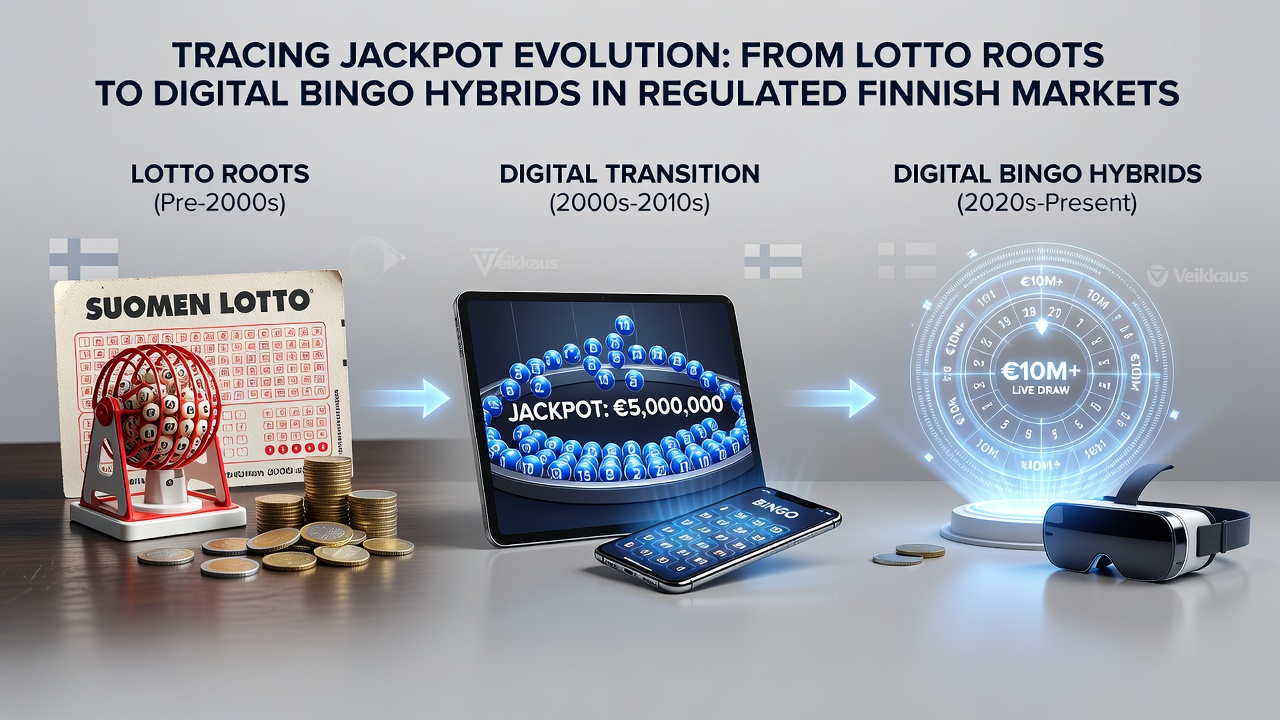
Technical standards require that all hybrid systems undergo periodic audits to confirm random number generation and pool integrity match traditional standards. Those who study market transitions highlight how digital tools permit seamless rollover between game categories without violating separation rules that protect distinct revenue streams. Case examples from operator compliance filings demonstrate successful scaling of jackpots when bingo rounds contribute alongside lotto entries during peak periods.
Regulatory Oversight Guides Ongoing Adaptations
Finnish authorities enforce consistent standards across evolving formats by requiring detailed documentation of jackpot funding sources and distribution methods. Links to external analyses, such as those published by the Finnish Ministry of Social Affairs and Health, detail how legislative updates address emerging digital features while upholding monopoly principles. Another perspective appears in research coordinated through the Australian Institute of Health and Welfare, which compares cross-jurisdictional approaches to progressive prize management. These frameworks ensure that hybrid bingo-lotto products operate within defined risk parameters and consumer protection measures.
Market data collected over multiple years illustrates steady growth in hybrid game adoption rates, particularly among users accessing platforms via smartphones. Regulatory bodies monitor these trends through mandatory reporting that tracks average jackpot sizes, win frequencies, and player retention metrics. Adjustments to contribution percentages occur periodically to align with broader fiscal goals tied to public welfare allocations.
Conclusion
The progression from lotto-based jackpots to integrated digital bingo hybrids reflects sustained regulatory guidance that balances innovation with established controls in Finnish markets. Operators continue to refine these systems through technological upgrades that maintain transparency and compliance, supported by ongoing data collection from national agencies. This trajectory positions regulated formats to accommodate future developments while preserving core prize integrity principles that originated in earlier lotto structures.